



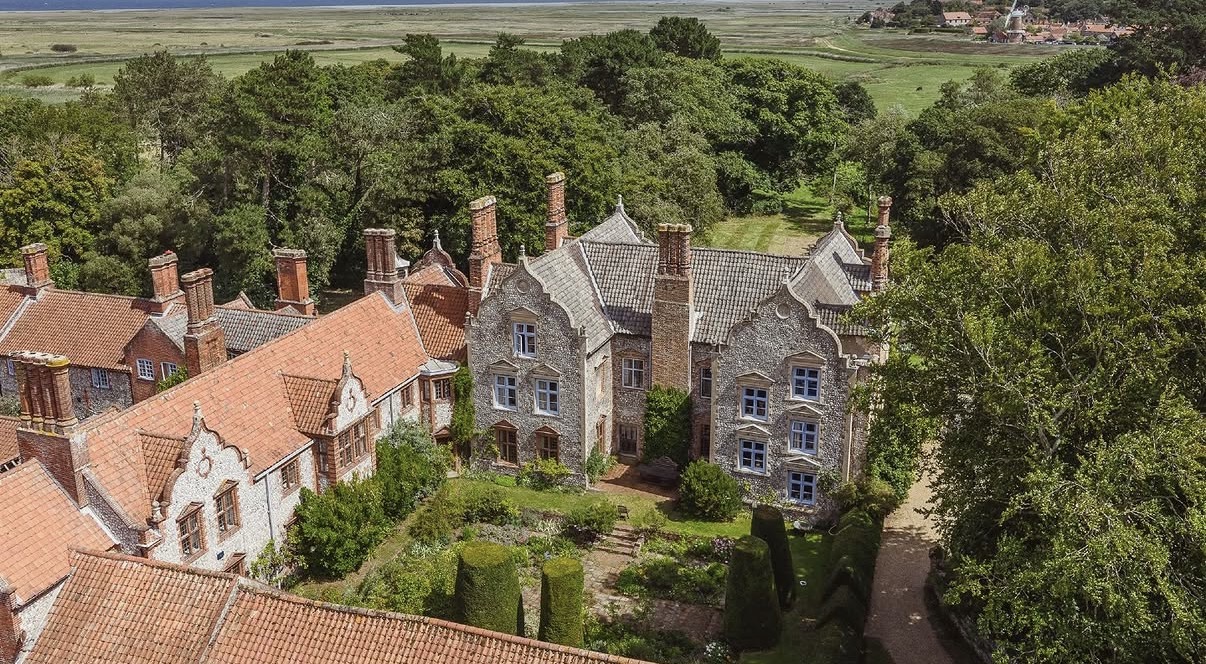
Set against the sweeping salt marshes of the North Norfolk coast, Wiveton Hall remains one of the region’s most distinctive and quietly captivating destinations. Positioned between Blakeney and Cley next the Sea, the historic estate combines centuries of heritage with a relaxed, welcoming atmosphere that continues to draw visitors year after year.
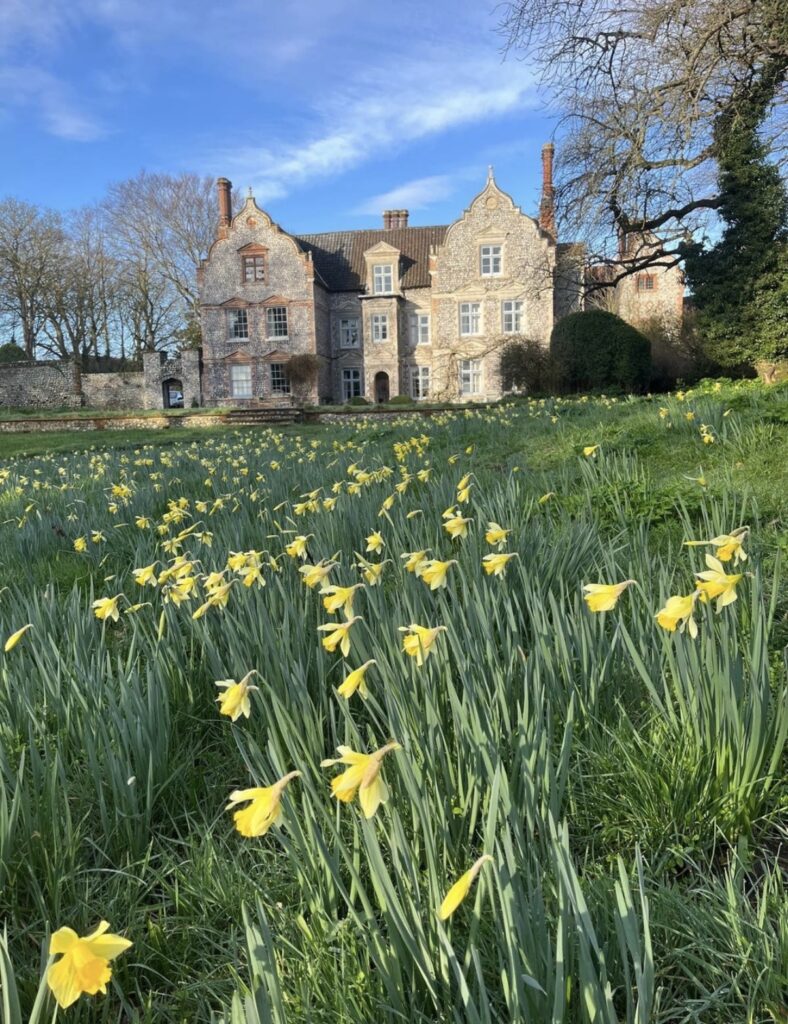
Dating back to 1652, Wiveton Hall stands on land with an even deeper history. An earlier building occupied the site as far back as 1280, when the surrounding land was owned by the Norman De Roos family. The estate’s story evolved alongside the coastal trade routes that once shaped Norfolk’s economy. In the seventeenth century, part of the De Roos estate was purchased by Mr Gifford, the son of a Gloucester merchant who recognised the commercial potential of nearby ports at Blakeney and Cley. His ambitions were closely tied to trade with Holland, an influence still visible today in the house’s striking Dutch gables and distinctive architectural character.
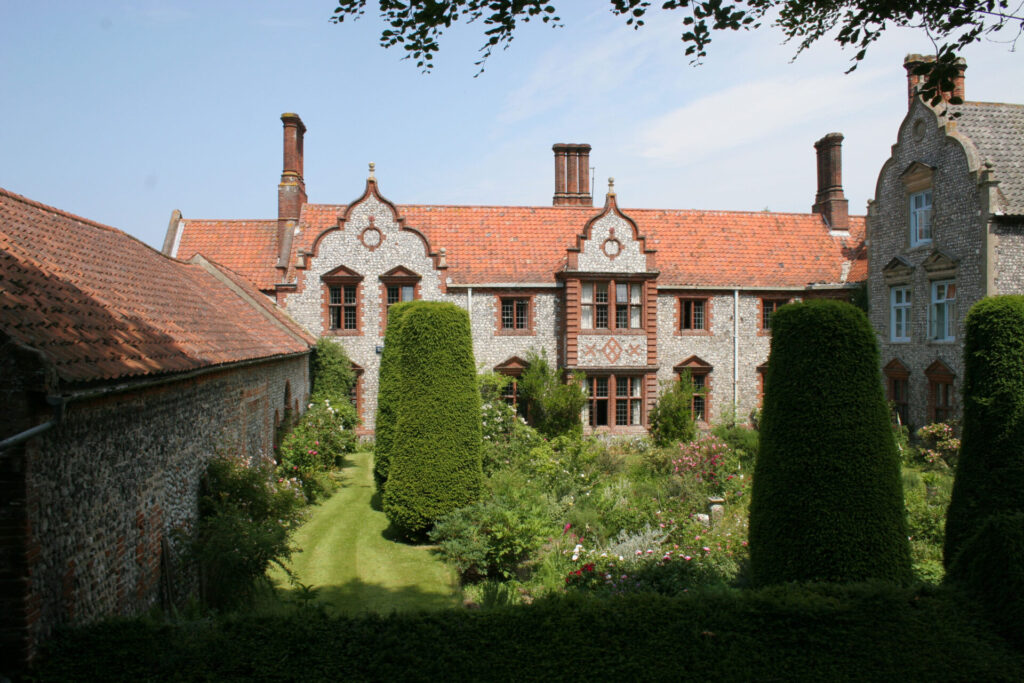
Over the centuries, Wiveton Hall has passed through many hands and phases. The Gifford family prospered here until agricultural decline in the late nineteenth century forced the sale of the property. A succession of tenants followed, among them Herbert Ward, known for his involvement in African expeditions alongside explorer Henry Morton Stanley. In 1907, the Watson Kennedy family expanded the estate with the addition of the West Wing, designed by architect Sir Guy Dawber, helping transform the property into a thriving Edwardian dairy and fruit farm.
The modern story of Wiveton Hall began in 1944 when Captain Dick Buxton purchased the farm and moved his family and herd of pedigree Friesian cows to the estate. Farming continued for several decades, although by the 1970s the buildings had fallen into decline. The responsibility for the land eventually passed to his daughter Chloe, who managed the estate with dedication following the death of her husband. Later, her son Desmond returned and began the careful, gradual restoration that has shaped Wiveton Hall into the unique destination visitors experience today.
What makes Wiveton Hall so appealing is the balance between grandeur and informality. Despite its Grade II listed status and impressive Jacobean façade of traditional flintwork, the house retains an approachable and lived in charm. Surrounded by gardens, woodland and open farmland, it feels less like a stately attraction and more like a working coastal home that welcomes exploration.
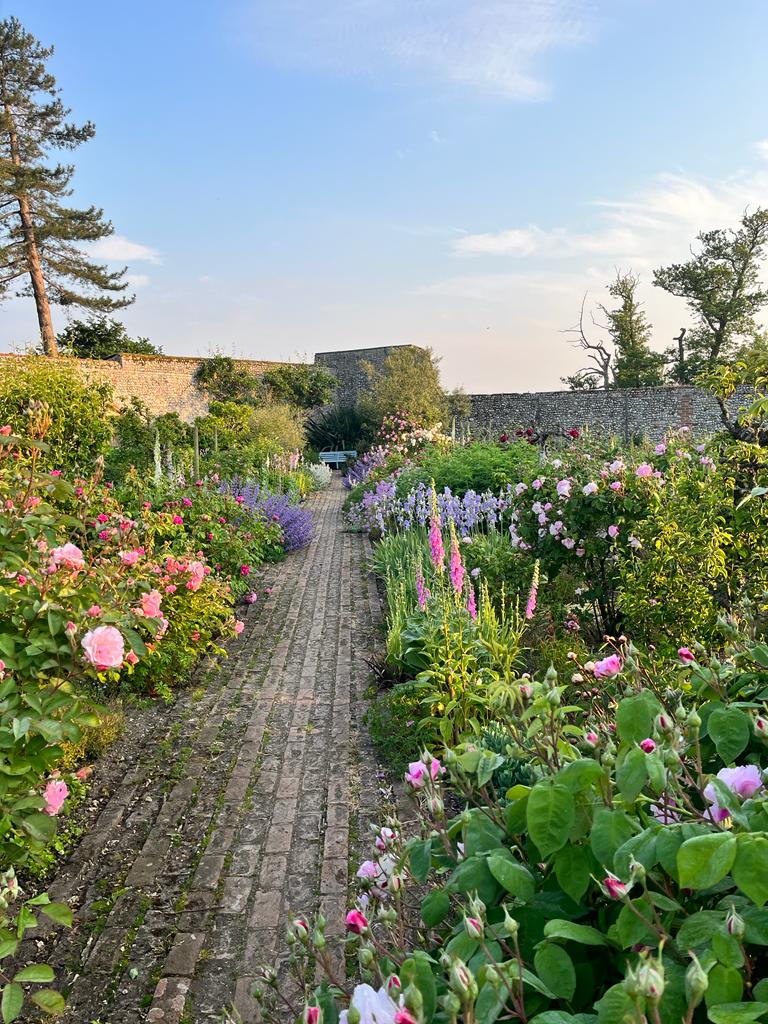
The gardens form an essential part of the experience. Romantic and intentionally informal, they feature mixed borders, roses and quiet corners that invite wandering rather than structured touring. Self guided garden visits allow guests to explore at their own pace, while Desmond’s Garden Tours offer deeper insight into how planting thrives in a coastal environment shaped by sea air and shifting weather. The gardens reflect decades of thoughtful care, blending cultivated beauty with the wild character of the Norfolk landscape.
Nature is never far away here. Walking routes begin directly from the farm, leading visitors across marshland paths where birdlife and seasonal wildlife are part of everyday scenery. On warmer days, lucky walkers may even spot a Clouded Yellow butterfly drifting across the fields, a reminder of how closely Wiveton Hall remains connected to its natural surroundings.
Food and hospitality also play a central role in the estate’s appeal. The Wiveton Hall Café has become a popular stop for locals and visitors exploring the coast. With sweeping views across the marshes towards Cley Windmill, it offers a relaxed place to pause for locally sourced dishes, coffee and seasonal produce grown nearby. The working farm setting means fruit canes and asparagus fields often influence what appears on the menu, reinforcing the strong connection between land and table.
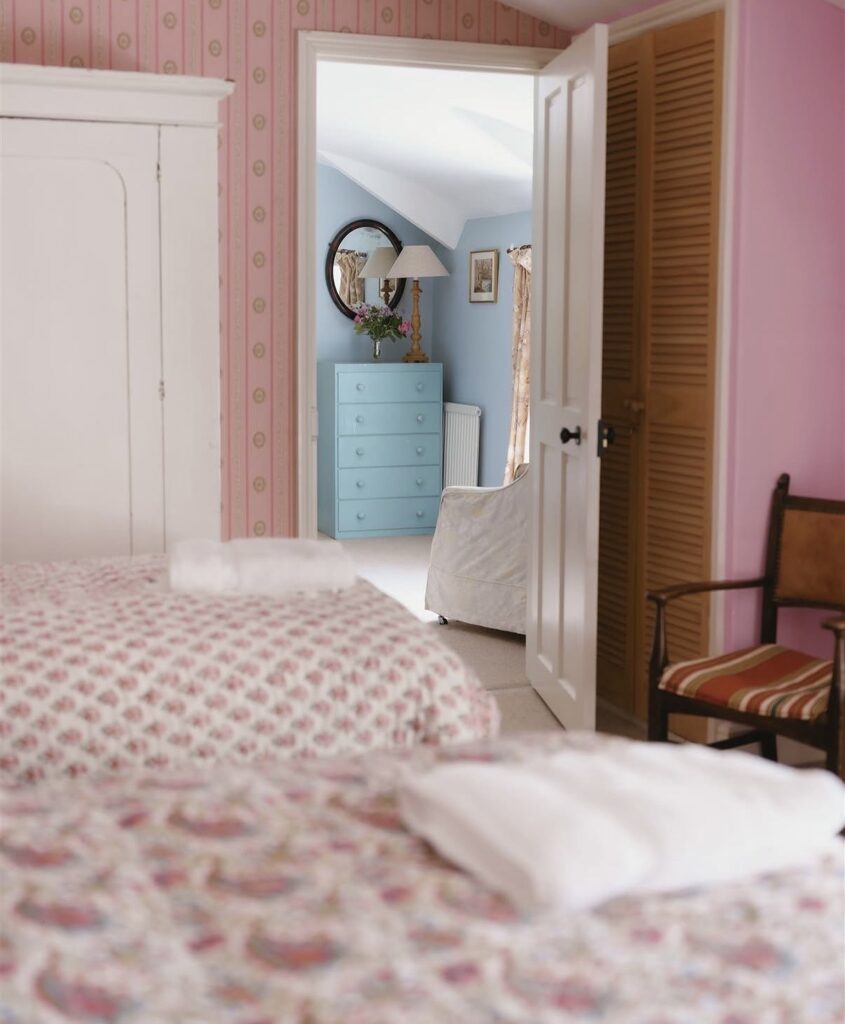
Accommodation adds another dimension to the Wiveton Hall experience. Guests can stay in colourful farm cottages overlooking the marshes and windmill, settle into Chloe’s Cottage at the heart of the farm, or choose the West Wing for a memorable family stay within the historic house itself. For something slightly different, luxury glamping in Amber Bell Tents offers the chance to enjoy Norfolk’s coastal landscape while remaining immersed in nature.
Throughout the year, Wiveton Hall hosts seasonal events that bring together food, music and community. Summer pop ups transform the farm into a lively gathering space while still retaining the calm atmosphere that defines the estate. The combination of heritage, landscape and creativity gives the property a personality that feels distinctly Norfolk.
Owned and run by Desmond MacCarthy, whose family connection to the estate stretches back generations, Wiveton Hall continues to evolve without losing its authenticity. Its appeal lies in its sense of continuity. History is visible in every corner, yet the experience remains relaxed and unpretentious.
In an area celebrated for natural beauty and coastal charm, Wiveton Hall stands apart by offering more than just a scenic stop. It is a place where history, farming, gardens and hospitality come together naturally, creating an environment that feels both timeless and welcoming. Visitors arrive for the views or the café, but many leave with a deeper appreciation for a Norfolk landmark that has quietly adapted across centuries while remaining true to its roots.
Location: Wiveton, Hall, Holt NR25 7TE
Website: https://www.wivetonhall.co.uk/