



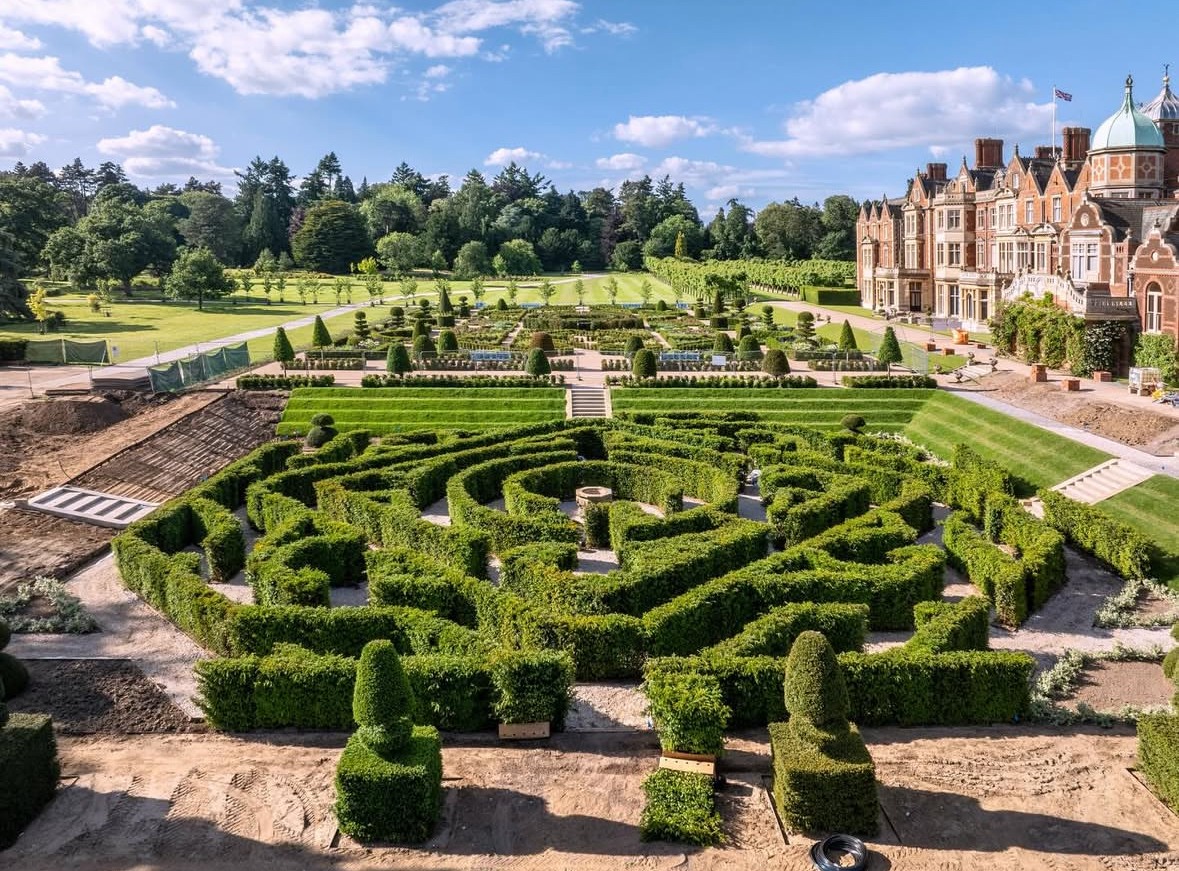
Sandringham Estate is one of those places that feels inseparable from Norfolk itself. Set in the heart of West Norfolk, it is known around the world, yet for many people in the county it is simply part of everyday life. A place for walking, working, reflecting and reconnecting with the landscape. Its importance goes far beyond its royal connections, rooted instead in centuries of local history, land stewardship and community life.
The story of Sandringham stretches back hundreds of years. Long before it became a royal retreat, the land formed part of a traditional Norfolk agricultural landscape. The name Sandringham is thought to come from Old English, suggesting a homestead linked to early settlement in the area. Farming, woodland management and rural livelihoods shaped the estate long before its later fame, and that agricultural identity still defines it today.
The modern Sandringham Estate began to take shape in the nineteenth century. In 1862, the estate was purchased as a private country retreat for Albert Edward, Prince of Wales, who later became King Edward VII. By 1870, the current Sandringham House had been completed, built in red brick in a Jacobean revival style using local materials. Since that time, Sandringham has remained a much loved country retreat for successive generations of the Royal Family.
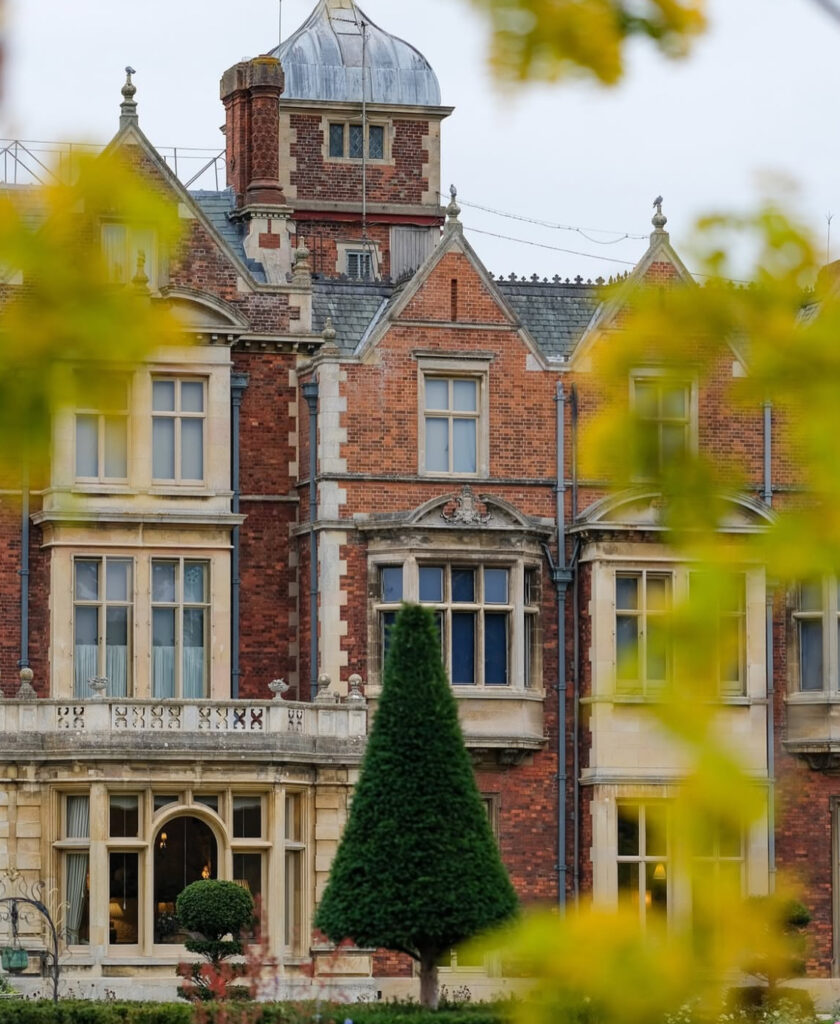
Today, Sandringham is the country home of Their Majesties King Charles III and Queen Camilla. It remains privately owned and carefully managed, allowing it to function as a living, working estate rather than a purely ceremonial residence. This private ownership has helped shape Sandringham’s distinctive character, one that feels rooted in Norfolk rather than removed from it.
The estate itself is far more than the house and gardens. It includes an organic farm, a sawmill, residential and commercial properties, as well as local parishes and communities that sit within its boundaries. All of this is nestled in the heart of The Norfolk Coast Area of Outstanding Natural Beauty, giving the estate a landscape setting that is both nationally important and deeply familiar to local people.
Edward VII took a keen interest in farming and innovation, introducing modern agricultural methods and improving infrastructure across the land. That forward-thinking approach reflected Norfolk’s reputation as an agricultural leader and helped establish Sandringham as a working estate with long-term purpose. This balance between heritage and progress has remained central to how the estate is run.
Throughout the twentieth century, Sandringham continued to play a role in both national and local life. King George V died at Sandringham in 1936, a moment that marked the estate firmly in British history. Later, it became closely associated with Queen Elizabeth II, who spent many Christmases there during her reign. Despite its royal connections, Sandringham remained closely tied to the surrounding communities, particularly during the World Wars when farming production and employment were vital.
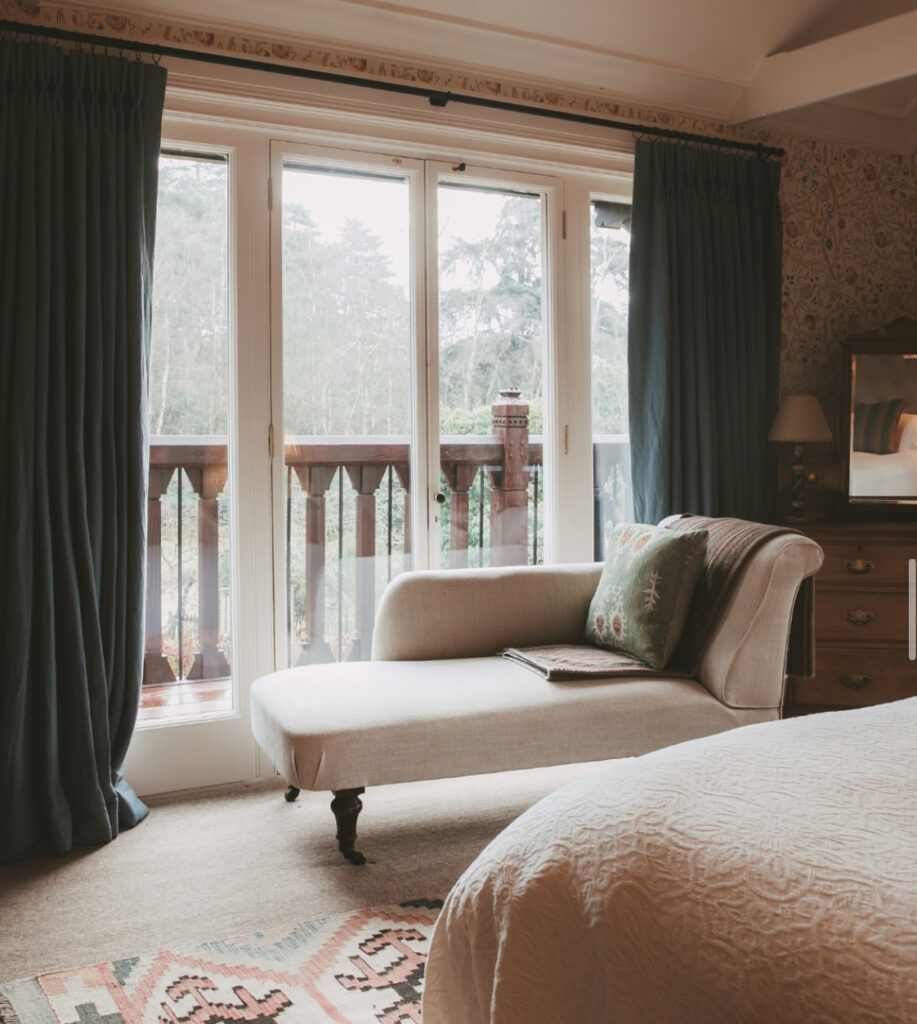
Today, Sandringham’s importance to Norfolk is felt in many practical ways. It is a significant employer in West Norfolk, supporting jobs across agriculture, forestry, hospitality, retail and land management. Visitors are welcomed throughout much of the year, bringing people into the area and supporting nearby villages, shops and attractions. For many local businesses, Sandringham provides steady and valuable footfall.
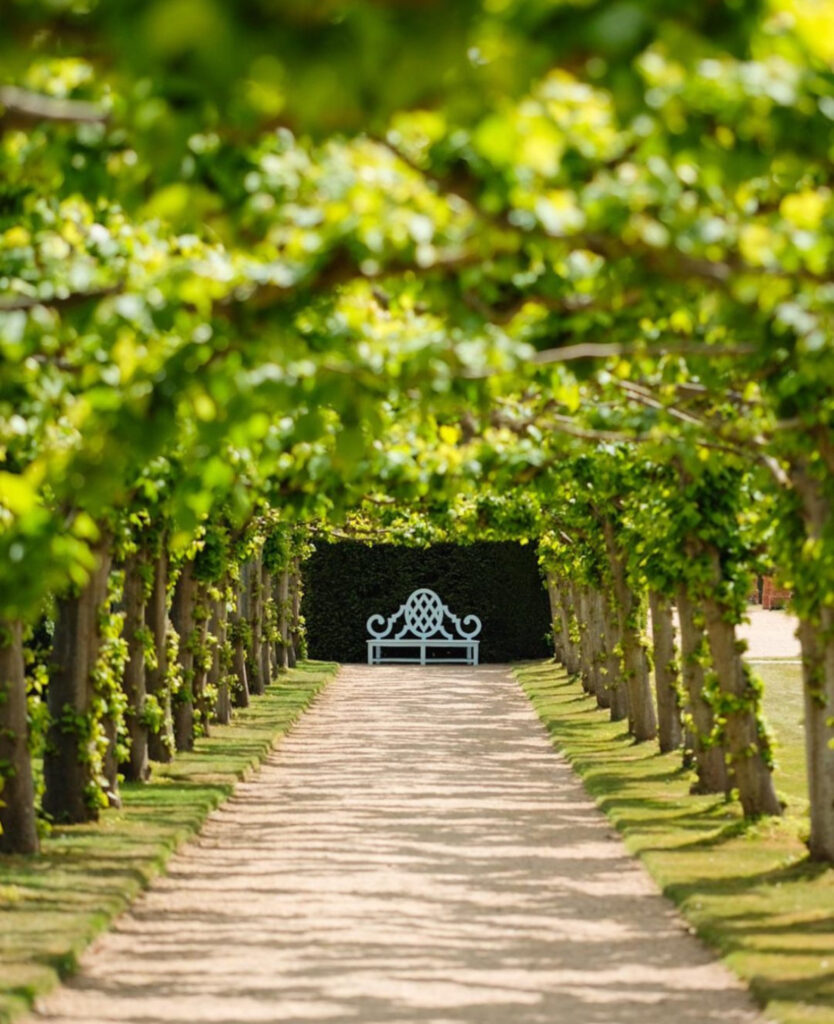
The landscape itself is one of Sandringham’s greatest assets. Woodland walks, parkland paths and open countryside make it a much loved destination for walkers, cyclists and families. The fact that so much of the land is accessible helps foster a strong sense of connection and shared pride. Sandringham feels open and welcoming, not distant or closed off.
Environmental stewardship also plays a growing role in the estate’s future. Organic farming, woodland management and biodiversity are increasingly central to how the land is cared for. This reflects wider changes across Norfolk, where conservation and food production are being balanced with greater care and foresight.
Culturally, Sandringham is woven into the fabric of Norfolk life. Many people remember school trips, seasonal visits or family walks through the estate. It feels familiar rather than formal, grand without being intimidating. That accessibility is part of its enduring appeal.
What makes Sandringham truly important is its continuity. It connects medieval farmland to Victorian ambition, royal tradition to modern sustainability. In a county defined by its landscapes and quiet strength, Sandringham stands as a symbol of Norfolk at its best. Rooted, resilient and still very much alive.
location: Sandringham PE35 6EN
Website: https://sandringhamestate.co.uk/