



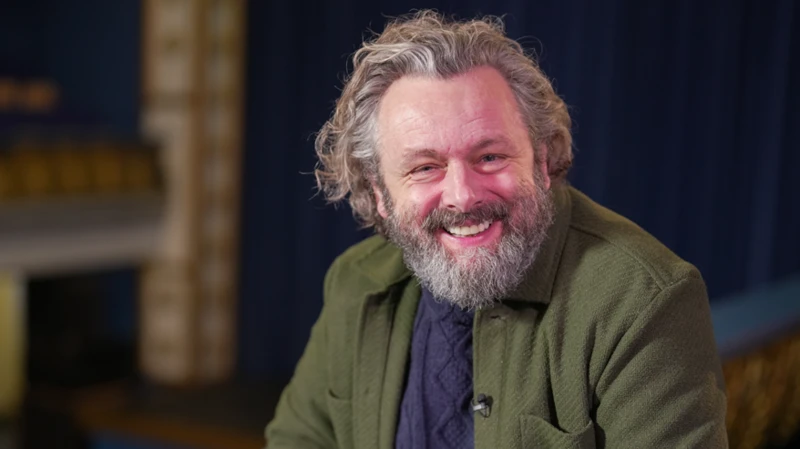
Climate change can sometimes feel like a heavy subject to approach, especially in classrooms where young people are still forming their understanding of the world around them. A new short film launching nationwide is hoping to change that by making the conversation feel more natural, relatable and rooted in everyday experience. The five-minute film, narrated by Welsh actor Michael Sheen, focuses on how people talk about weather compared to how they talk about climate change, and it does so through a creative and visually striking story set in the Norfolk countryside.
The film, titled You Told Us To Talk About the Weather, was filmed on the Westacre Estate near King’s Lynn, a location that has seen large areas returned to nature through rewilding projects. The setting plays an important role in the storytelling. Rather than presenting climate education in a classroom lecture style, the film uses landscape, atmosphere and storytelling to help viewers feel connected to the subject.
The production team worked closely with young farmers from across Norfolk when writing the film’s script. The aim was to reflect real experiences of people who work closely with the land. Many of those involved in the conversations shared how climate change affects their daily routines. Unlike abstract discussions about global warming that can sometimes feel distant, farming communities experience environmental shifts in a very immediate way. Farmers are constantly adapting to changing rainfall patterns, temperature fluctuations and seasonal uncertainty, which makes climate change feel much more personal and practical rather than theoretical.
The writer behind the film, King’s Lynn-born playwright Emma-Louise Howell, spent time speaking to young agricultural workers while developing the story. She wanted their voices to be at the heart of the project. The feedback she received showed that many young farmers feel they have practical knowledge about working with nature, but do not always feel their experiences are fully heard in wider climate discussions. The film reflects this by showing how working with nature can be part of the solution rather than something separate from modern farming practices.
Howell also spoke about how special it was to hear the narration performed by Michael Sheen. His distinctive voice and dramatic delivery helped bring emotional depth to the story. She described the experience of hearing the words performed by the actor as a deeply meaningful moment in the creative process. Sheen is known for a wide range of screen and stage work, and his involvement helped give the project a strong narrative presence without overwhelming the message of the film.
The cast also features young Norfolk actor Hemi Grimsby alongside actors Ben Mansfield and Florence Wright. Their performances help ground the film in a more personal perspective, particularly by presenting the story through the viewpoint of a child exploring the countryside. This approach helps make the subject matter feel less intimidating for younger audiences. Instead of focusing on scientific data or statistics, the film focuses on feelings, curiosity and observation of the natural world.
Director Harry Tomlin said the Norfolk landscape was central to the film’s atmosphere. The production team wanted to create something that blended environmental storytelling with elements of folk-inspired visual style. The film uses what Tomlin describes as a gritty folk-horror aesthetic, though the tone is not designed to frighten audiences. Instead, it uses slightly moody imagery, woodland settings and natural sounds to create emotional engagement. The intention is to make climate education feel more like a story people want to watch rather than a lesson they feel forced to sit through.
Educational accessibility was also an important part of the project’s mission. Environmental campaign group the Climate Majority Project hopes the film will help teachers and students discuss climate change in a more open and sensitive way. Rather than presenting climate change as something frightening or overwhelming, the film encourages honest discussion about how people can adapt and work together to protect the environment.
One of the strongest messages running through the film is the idea that people often feel comfortable talking about the weather, but feel less confident talking about climate change. Weather is something everyone experiences daily. People naturally comment on rain, sunshine or wind. Climate change, however, can feel like a bigger and more complicated topic. The film suggests that starting conversations using familiar topics like weather can make climate education more approachable for young people.
The project reflects a growing interest in creative approaches to environmental education across Norfolk. With more land being returned to natural habitats and increasing interest in sustainable farming methods, there is a strong local conversation about how communities can adapt to environmental challenges while protecting rural traditions.
Overall, You Told Us To Talk About the Weather aims to be more than just a short educational film. It is designed to spark conversation, encourage empathy and help young audiences feel that their voices matter in discussions about the future of the planet. By combining storytelling, local landscapes and real experiences from young farmers, the film offers a gentle but meaningful way to start talking about climate change in everyday life.