



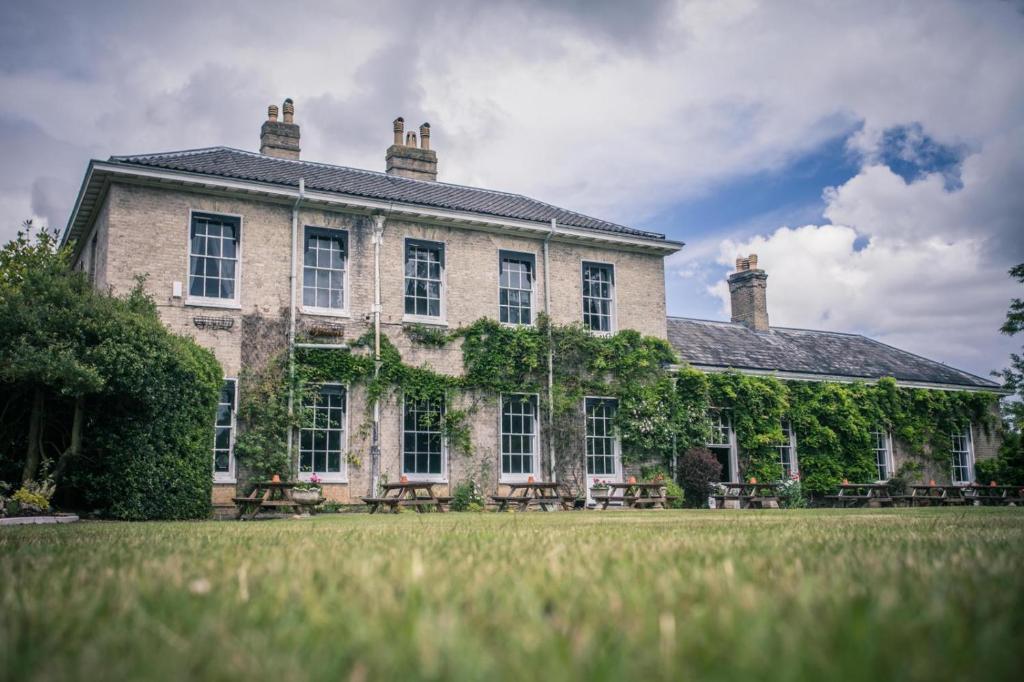
Few Norfolk addresses carry the layered history of Caistor Hall. Tucked close to the ancient remains of Venta Icenorum and just a short distance from Norwich, this elegant country house stands on land that has been shaped by centuries of change, from Roman rule to Georgian refinement and now modern hospitality.
The story of Caistor stretches back far beyond the Hall itself. The site can be traced to before the Norman Conquest, when it belonged to the Abbey at Bury St Edmunds. Following the dissolution of the monasteries, the land passed through the hands of the Godslave family and later the Pettus family before becoming the property of the Dashwoods through marriage in 1793. Between 1795 and 1797, during the reign of King George III, Caistor Hall was built by the Dashwood family. The first recorded resident was Horatio Dashwood, who lived here with his wife Harriet and their children.
Yet even this Georgian chapter is only part of the story. Archaeological discoveries in the surrounding area reveal prehistoric burials and cremations dating from 3000 to 1500 BC, uncovered during excavations between 1989 and 1991 ahead of the Southern bypass construction. The narrative of Caistor is inseparable from the Roman town of Venta Icenorum, likely established in the early second century AD. While some believe it followed Boudicca’s rebellion, evidence of Roman development appears from around AD 120 onwards.
Venta Icenorum grew into a thriving settlement, with streets, a temple, forum and bathhouse. Defensive walls were constructed around AD 270, and the town became an important centre during Roman rule in East Anglia. When the Romans withdrew in AD 410, the town gradually declined, eclipsed by Norwich as river routes shifted and trade patterns changed. Caistor is mentioned in the Domesday Book, and Roman brick can still be seen incorporated into the porch of the local church, a reminder of the layers of history embedded in the landscape.
Today, Caistor Hall blends this remarkable heritage with a welcoming and refined hospitality experience. Since opening as a hotel and country club in 1948, it has evolved into a sought after venue for weddings, corporate gatherings and private events, while maintaining the charm of its Georgian origins.
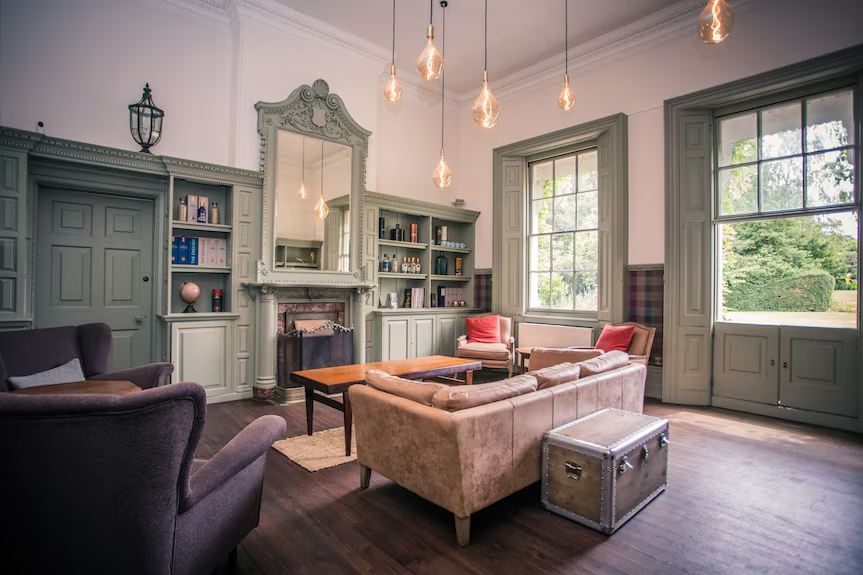
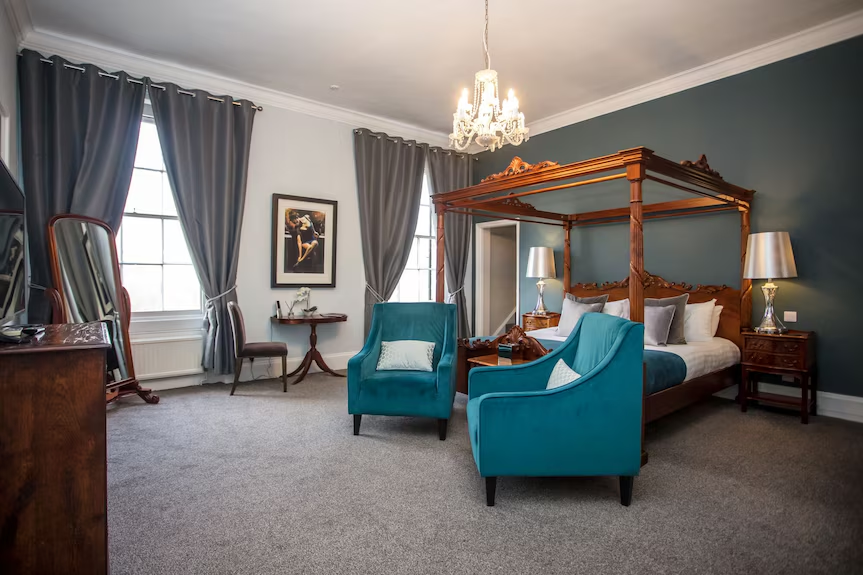
The Hall offers 18 well appointed double rooms, comprising a mixture of Standard, Deluxe and Suites. Each varies in size and location, ensuring no two stays are quite the same. Interiors balance old and new with effortless style. High ceilings and sash windows frame views of the grounds, while vintage furniture sits comfortably alongside a fresh colour palette and contemporary bathrooms. It is a setting that respects the building’s heritage while delivering modern comfort.
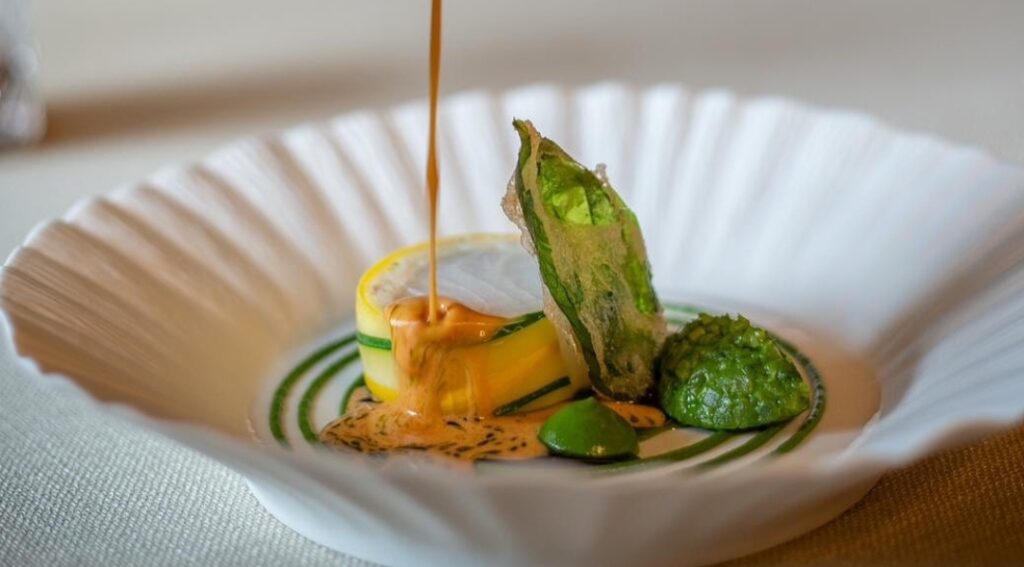
Dining is a highlight of the Caistor experience. The presence of Chef Mark Poynton has brought a new level of culinary distinction to the Hall. MP at Caistor Hall operates from Wednesday to Saturday, showcasing seasonal produce and refined technique in an intimate setting that complements the grandeur of the house. Alongside this, the Bistro runs from Tuesday to Sunday, offering relaxed dining in elegant surroundings. The bar opens from 10am daily, closing at 10pm on Mondays and at 11.45pm from Tuesday to Saturday. Availability is subject to change, so guests are encouraged to check in advance when planning their visit.
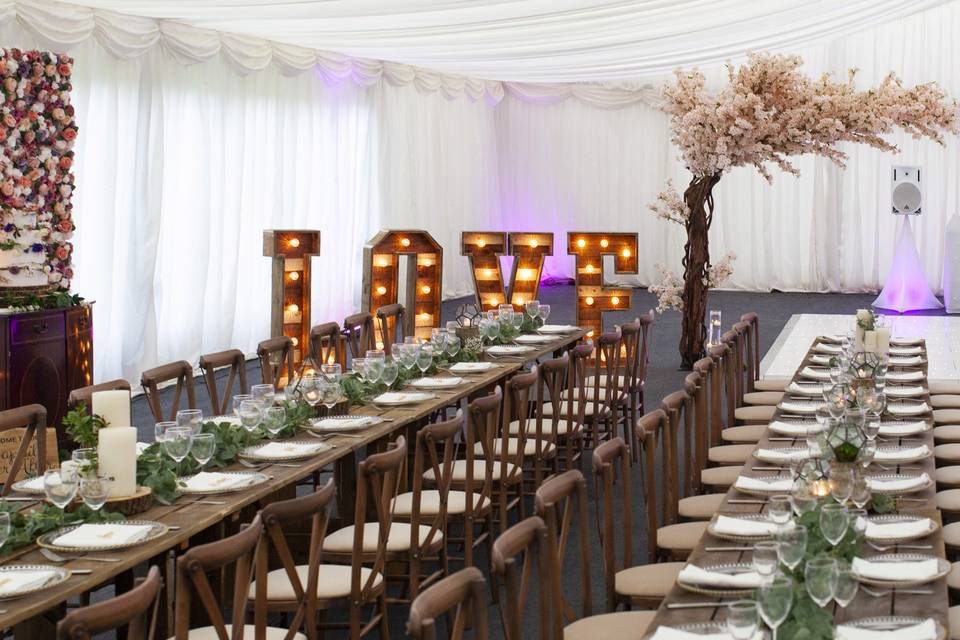
Weddings at Caistor Hall are particularly memorable. The combination of historic architecture, landscaped grounds and exceptional food creates a backdrop that feels both romantic and distinctive. Corporate events and private celebrations are equally at home here, with versatile spaces that can be tailored to suit a range of occasions. The Hall manages to feel grand without being intimidating, offering warmth alongside heritage.
For those keen to explore further, the Roman town site lies just a short walk from the hotel. A guidebook published by the Norfolk Archaeological Trust is available from reception, and the trail around Venta Icenorum is clearly signposted with informative boards. The nearby church, with its Roman brickwork and medieval foundations, is also well worth a visit.
What makes Caistor Hall truly special is this seamless fusion of past and present. Guests can spend the morning walking among Roman earthworks, the afternoon enjoying a leisurely lunch in the Bistro, and the evening dining at MP at Caistor Hall before retreating to a room where Georgian elegance meets modern design.
In a county rich with history, Caistor Hall stands out not only for the centuries etched into its foundations, but for the way it continues to evolve. It is a place where Norfolk’s past is not simply preserved but lived in, celebrated and shared with every guest who walks through its doors.
Location: Caistor St Edmund, Norwich NR14 8QN
Website: https://caistorhall.com/