



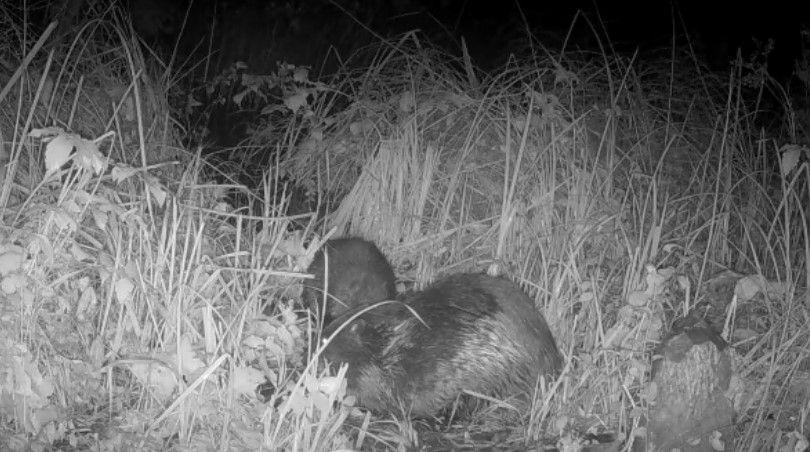
Norfolk is celebrating a remarkable milestone in its wildlife history. For the first time in centuries, a wild beaver has been spotted at Pensthorpe Natural Park near Fakenham. This sighting marks a historic moment for the county, as beavers were driven to extinction in Britain in the 16th century due to overhunting. Their return is a sign of hope for Norfolk’s natural habitats and a reminder of the resilience of the county’s wildlife.
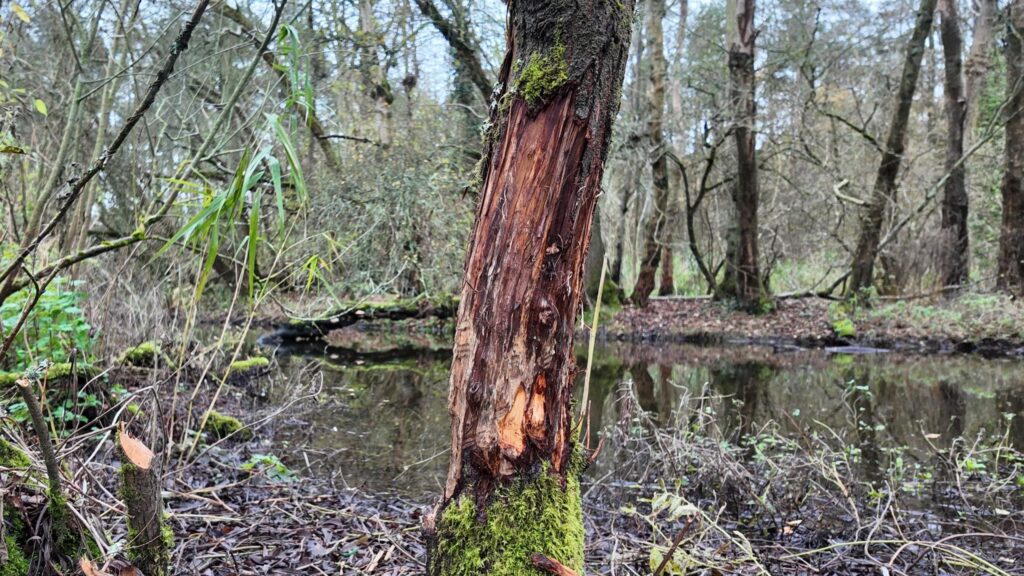
The beaver was first noticed several weeks ago by park staff and visitors exploring the reserve. Though solitary for now, its presence represents more than just one animal. It signals the potential for a renewed ecosystem, where rivers and wetlands benefit from the unique role beavers play in maintaining biodiversity. These creatures are nature’s engineers, building dams and lodges that create habitats for fish, birds, amphibians and countless invertebrates. Their influence extends far beyond their own species, improving water quality, preventing soil erosion and helping manage flood risks.
Pensthorpe Natural Park has long been a haven for wildlife enthusiasts, offering opportunities to spot everything from rare birds to otters. The park’s carefully managed habitats make it an ideal location for beavers to thrive once again. Visitors strolling along the reserve’s paths may now find themselves watching these fascinating animals as they work along the waterways, shaping the landscape in ways that have not been seen in Norfolk for hundreds of years. The excitement of seeing a beaver in its natural surroundings adds a unique element to the park’s already rich wildlife experiences.
Beavers are known for their industrious nature and remarkable adaptability. A single beaver can construct complex dams and lodges that alter the flow of rivers and streams, creating ponds and wetlands that support a wide range of plant and animal life. In Norfolk, the return of these creatures could enhance wetland environments across the county, providing a boost to biodiversity and helping to restore natural processes that have been missing for centuries. Their work in the landscape is subtle but profound, influencing the entire ecosystem in positive ways.
For visitors to Pensthorpe, the arrival of a wild beaver offers an opportunity to connect with a species that was once common across Norfolk. Wildlife enthusiasts, photographers and families alike can enjoy spotting these animals in a setting designed to encourage observation without disturbance. The park encourages respectful viewing, ensuring that the beaver can continue its work undisturbed while people witness the natural rhythm of life along the waterways.
The return of the beaver also offers educational opportunities for schools, conservation groups and community members. By observing the animal in a real-world setting, people of all ages can learn about wetland ecosystems, the importance of biodiversity and the role humans play in protecting wildlife. Pensthorpe Natural Park has a long history of promoting conservation education, and the beaver’s presence will no doubt enrich these programmes.
Beyond the scientific and educational significance, there is something profoundly inspiring about seeing a species return to its native environment after centuries of absence. It speaks to the resilience of nature and the positive impact that dedicated conservation efforts can have. Norfolk residents can take pride in knowing that the county’s rivers and wetlands are once again home to one of Britain’s most iconic mammals. The beaver’s presence serves as a reminder that conservation work matters and that ecosystems can recover when given the chance.
For those planning a visit to the park, the beaver adds another reason to explore Norfolk’s natural beauty. Pensthorpe’s walking trails, bird hides and scenic waterways already attract visitors year-round, but the chance to see a wild beaver is a truly special experience. Whether you are a local resident or visiting from further afield, the sight of a beaver moving through the water, felling branches or swimming along a stream is unforgettable. It is an opportunity to witness the reawakening of Norfolk’s natural heritage.
The return of beavers to Norfolk also sparks excitement among conservationists and wildlife enthusiasts across the UK. Their presence highlights the growing success of reintroduction programmes that aim to restore species lost to the country for centuries. Each observation contributes to a broader understanding of how these animals interact with their environment and how their activities can benefit other species. It is a reminder that even in modern landscapes, pockets of wild nature can flourish.
As Norfolk embraces this remarkable wildlife moment, it also encourages visitors to reflect on their own connection with nature. Seeing a beaver in the wild is not only a rare treat but a chance to consider how people can support the recovery of species, protect habitats and appreciate the intricate balance of ecosystems. Pensthorpe Natural Park provides the perfect setting for such reflections, offering both access to nature and insight into the importance of conservation work.
The appearance of the first wild beaver in Norfolk for centuries is more than just a news story. It is a celebration of the county’s commitment to wildlife, the success of careful habitat management, and the potential for a richer, more biodiverse future. For locals and visitors alike, it is an invitation to explore the natural world, to enjoy the beauty of Norfolk’s rivers and wetlands, and to witness history in the making as beavers once again claim their place in the county’s landscape.
Location: Pensthorpe Natural Park, Fakenham, Norfolk, NR21 0LN