



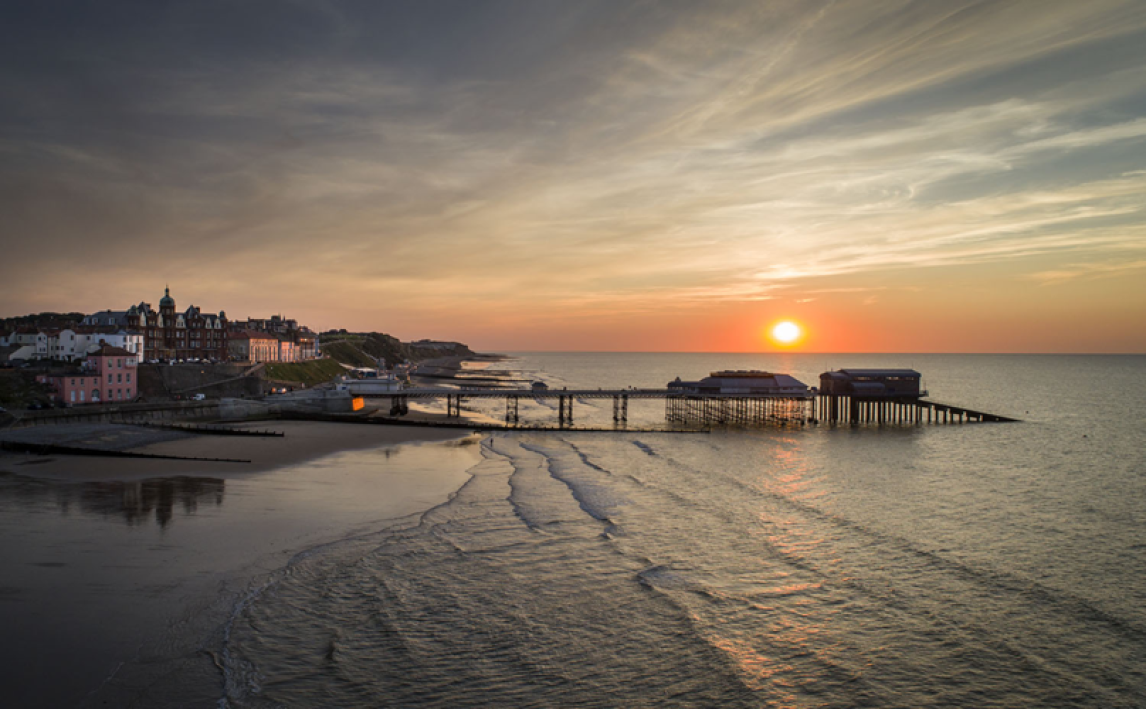
Cromer Beach has been named the best beach in the East of England, adding another major accolade to one of Norfolk’s most beloved seaside destinations.

Cromer’s famous pier, sweeping beach and clifftop setting have helped the town stand out as one of the East of England’s finest coastal destinations.
Cromer has once again put Norfolk’s coastline in the national spotlight after its beach was named the best in the East of England. The recognition places the north Norfolk resort among the standout seaside locations in the country, celebrating a town that continues to blend classic British seaside charm with natural beauty, local food, heritage and family-friendly appeal.
The accolade comes as Cromer enjoys a particularly important year. Its famous pier is celebrating its 125th anniversary in 2026, while the beach continues to hold Blue Flag status, reinforcing its reputation for quality, cleanliness and safe bathing. For residents, visitors and local businesses, the title is another reminder that Cromer remains one of Norfolk’s strongest tourism assets.
Highlight: Cromer’s success is built on more than sand and sea. It is the complete seaside package, with a Blue Flag beach, Victorian pier, end-of-pier entertainment, seafood heritage and an easy-going coastal atmosphere.
A Classic Norfolk Beach With National Appeal
Cromer Beach has long been one of the most recognisable stretches of the Norfolk coast. Its sand-and-shingle shoreline sits beneath the town’s clifftop streets, with the Victorian pier reaching out into the North Sea and giving the seafront its unmistakable silhouette.
At low tide, the beach opens into a wide, firm stretch of sand ideal for walking, paddling, sunbathing and family days out. In summer, the promenade comes alive with visitors moving between the beach, pier, cafés, chip shops, ice cream stops and independent businesses in the town centre.

The town’s pier and seafront remain central to Cromer’s identity as a traditional yet enduringly popular British resort.
What makes Cromer stand out is its balance. It has the familiarity of a proper British seaside town, but without losing the character that makes north Norfolk distinctive. Fishing boats still launch from the beach, Cromer crab remains a local signature, and the seafront retains a sense of heritage that many modern resorts struggle to preserve.
Blue Flag Quality Adds to Cromer’s Reputation
The award comes alongside Cromer’s continued Blue Flag status for 2026. North Norfolk District Council confirmed that Cromer is one of six beaches in the district to achieve Blue Flag status for the 2026 bathing season, alongside East Runton, Mundesley, Sea Palling, Sheringham and West Runton.
That matters because Blue Flag status is not simply a marketing label. It reflects standards around bathing water quality, beach management, safety, environmental information and public facilities. For families and swimmers, it adds confidence. For the town, it helps reinforce Cromer’s position as a clean, well-managed and visitor-friendly beach.
North Norfolk’s beaches continue to perform strongly, with several coastal locations receiving Blue Flag status for the 2026 bathing season.
Cromer and Sheringham have both held beach award status since 1988, making them among the most consistently recognised beaches in the country. That long-term achievement underlines the value of sustained local management, environmental care and community pride.
What to watch: Cromer’s next challenge will be maintaining its award-winning status while managing the pressures that come with growing visitor numbers, coastal erosion and seasonal demand.
A Big Year for Cromer Pier
Cromer’s beach cannot be separated from its pier. Opened in 1901, the current pier is celebrating its 125th anniversary in 2026, giving the town another reason to celebrate. The pier remains one of the defining landmarks of the Norfolk coast, home to the Pavilion Theatre and the famous Cromer Pier Show.
The pier gives Cromer something that many beach destinations do not have: a cultural centre literally built over the water. Visitors can walk out over the sea, take in the view, watch live entertainment or simply enjoy the feeling of being part of a long seaside tradition.

Alongside traditional beach days, Cromer has become a popular spot for surfing, paddleboarding and active coastal breaks.
The pier’s anniversary adds extra weight to Cromer’s latest beach recognition. It is not only a place to swim or sunbathe. It is a destination with history, entertainment and a built-in sense of occasion.
Why Cromer Continues to Win Visitors Over
Part of Cromer’s appeal is that it offers several different versions of the seaside in one place. Families can enjoy the beach, amusements, cafés and pier. Food lovers can seek out Cromer crab, fish and chips, ice cream and independent restaurants. Walkers can follow the coast path towards Sheringham or Overstrand. Surfers and paddleboarders can take to the water when conditions are right.
The town is also relatively accessible. Greater Anglia promotes Cromer as a coastal break reachable by train via Norwich, making it an attractive option for visitors who want a seaside escape without relying entirely on the car.

At low tide, Cromer’s beach opens into a broad stretch of sand, giving visitors space to walk, paddle and enjoy the coast.
There is also a sense of authenticity that helps Cromer stand apart. The town has modernised in places, with new cafés, independent shops and creative spaces, but it has not lost the simple ingredients that make a seaside visit memorable: sea air, a pier walk, a beach towel, a crab sandwich and a view across the water.
Visitor angle: Cromer succeeds because it does not try too hard to reinvent the seaside. It protects what people already love while giving them enough reasons to return.
A Boost for Norfolk Tourism
The new title is good news not only for Cromer but for Norfolk’s wider visitor economy. Beach rankings and national travel features can have a real impact, particularly during the summer season when families are choosing where to spend weekends, day trips and short breaks.
For local businesses, the recognition may help drive footfall across the town. Hotels, guest houses, cafés, pubs, restaurants, fishmongers, shops and attractions all benefit when Cromer is placed in front of a wider national audience.
North Norfolk already has one of the strongest coastal identities in the UK, with Holkham, Wells-next-the-Sea, Sheringham, Mundesley, Sea Palling and other beaches regularly drawing visitors. Cromer’s latest recognition reinforces the idea that the county’s coastline is not only beautiful, but also well managed and nationally competitive.
The Bottom Line
Cromer being named the best beach in the East of England is a deserved boost for one of Norfolk’s most iconic seaside towns. With its Blue Flag beach, historic pier, famous crab, strong local character and family-friendly seafront, Cromer continues to offer a version of the British seaside that feels both nostalgic and relevant.
The timing could hardly be better. As Cromer Pier marks its 125th anniversary, the town is receiving fresh recognition for the beach that has helped define it for generations.
For visitors, Cromer remains a place to slow down, walk the promenade, enjoy the sand at low tide, watch the waves beneath the pier and experience one of the East of England’s finest coastal destinations at its best.