



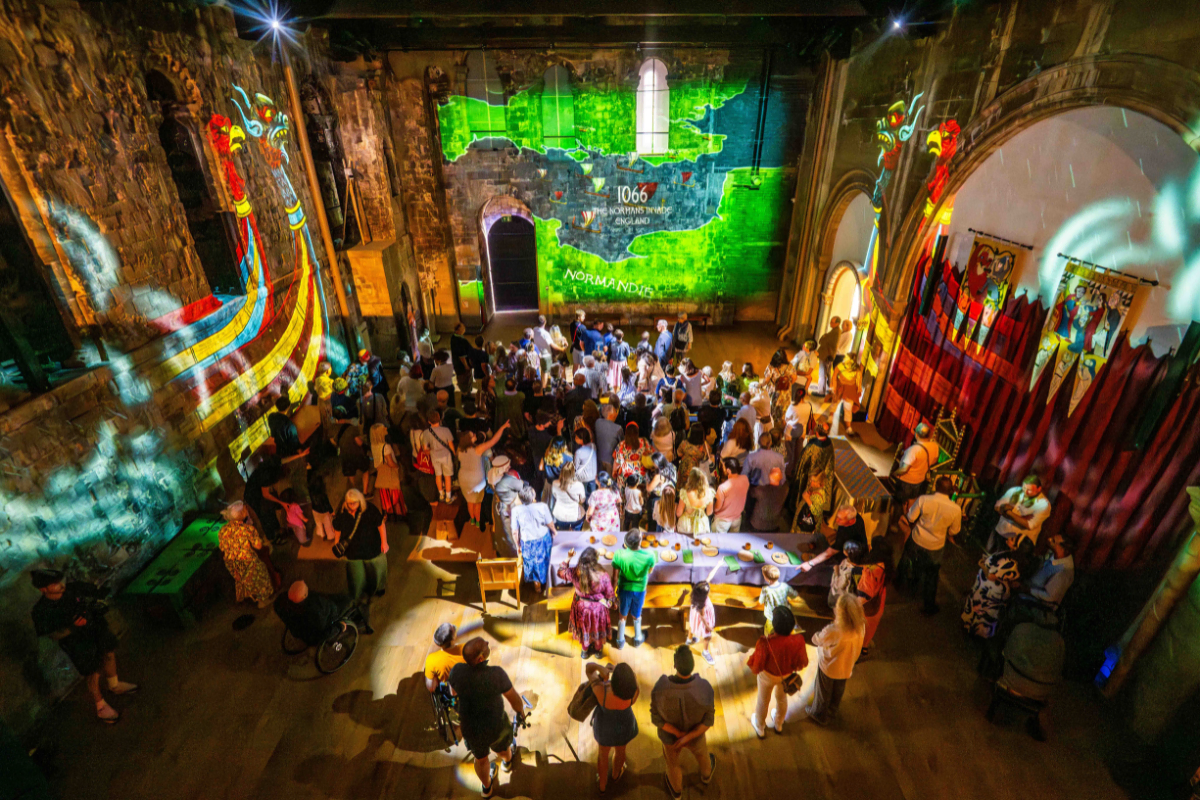
For the first time in four years, visitors are once again walking through the grand archway of Norwich Castle, greeted not by scaffolding but by sunlight filtering through newly restored Norman windows.
The £27.5 million transformation, one of the most ambitious heritage projects in the East of England, has breathed new life into this thousand-year-old landmark. What was once a fortress, then a prison, then a museum, now stands proudly as all three: a place where the past and present meet.
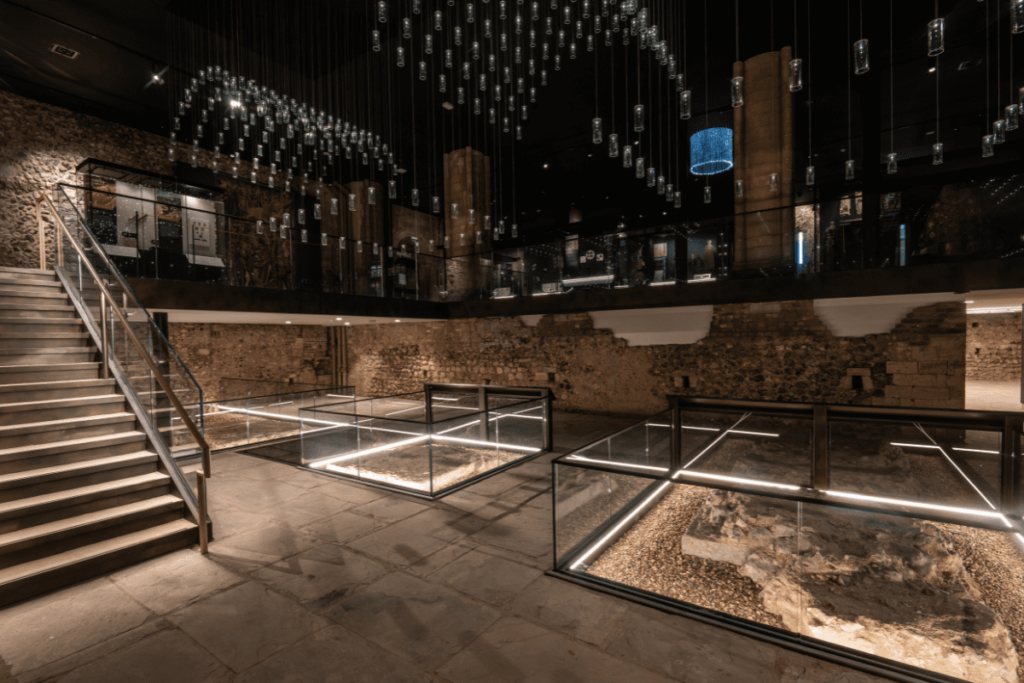
The centrepiece of the project is the Royal Palace Reborn gallery, created in collaboration with the British Museum, which brings the building back to its original medieval layout. The Great Hall has been reconstructed using archaeological evidence, and visitors can explore immersive displays that reveal the lives of the Normans who built and ruled here.
Accessibility has been a defining feature of the renovation. A new internal lift connects every floor, the first time in the castle’s history that visitors with mobility challenges can reach the battlements.
Curator Francesca Glover describes the project as “history rewritten in stone and steel.” She explains, “We wanted to keep the authenticity of the original structure while opening it up to modern audiences. This isn’t just about what happened here, it’s about how it feels to be part of the story.”
Since reopening, Norwich Castle has seen record visitor numbers, drawing both tourists and locals eager to rediscover their city’s crown jewel. With new exhibitions, workshops, and family events planned through winter, the castle’s revival signals a renewed cultural confidence for the region.