


It is believed that we are in the midst of the Fourth Industrial Revolution, a term that has been bandied about since 2015.
Making up part of the definition of the new wave is the uptake of “Stand Alone Renewable Energy Systems”, as well as the “Knowledge Economy”.
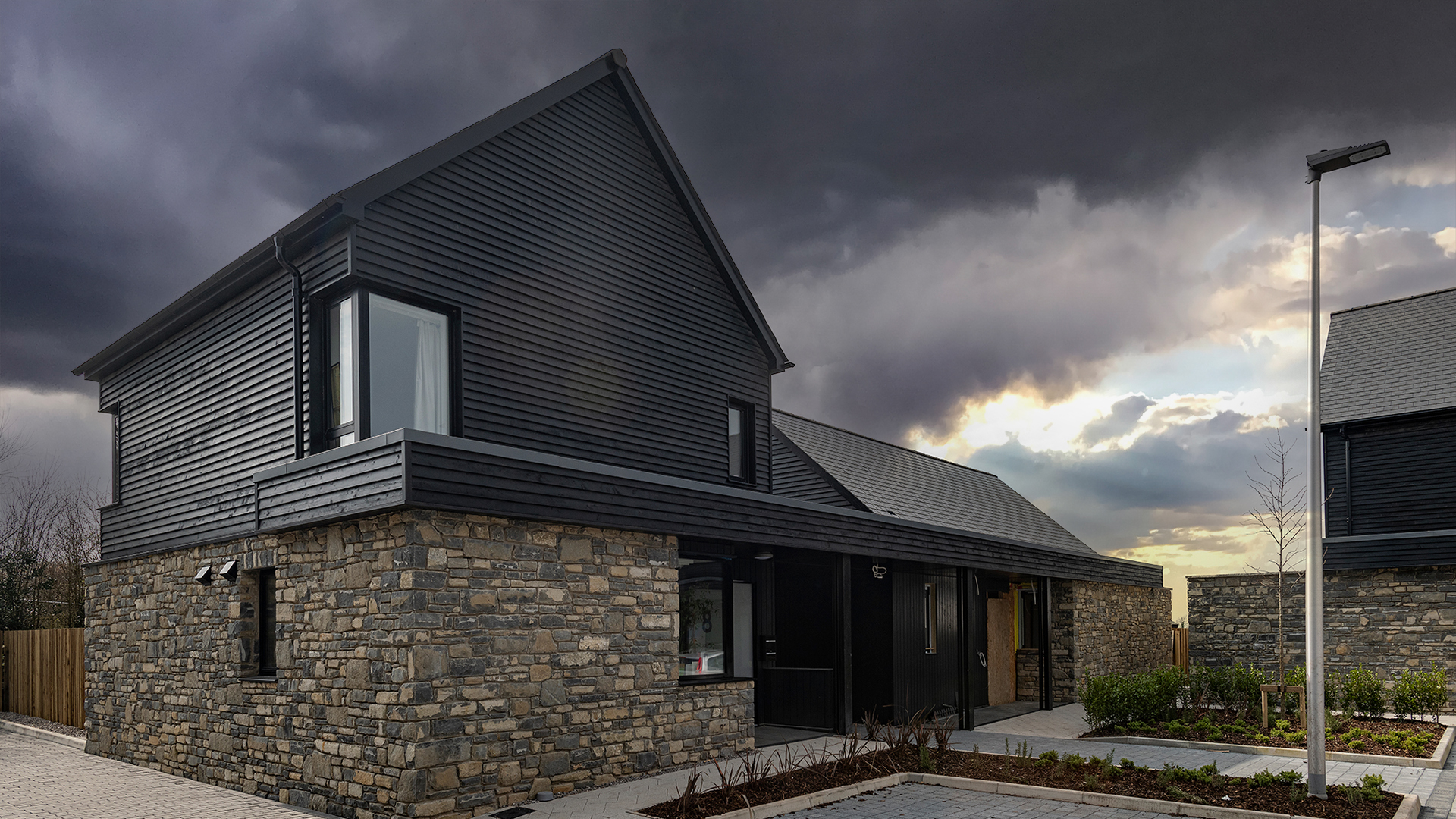
Fulfilling the brief (and a little ahead of its time), Beattie Passive delivers its patented Passivhaus building system across the UK, with a vision to expand internationally.
Business Enquirer speaks with Beattie Passive CEO and green housing technology innovator, Ron Beattie, about the business’ success stories and its growth plans.
Implementing Innovation
For those not clued-up on the Passivhaus method of construction, it combines high performance insulation and removing the possibility of draughts to effectively eliminate heat loss and create a building with a very low environmental impact. Heating of the building comes from ‘passive sources’ such as sunlight, waste heat from electrical appliances, and even body heat. As such, a traditional heating system isn’t required.
Implementing accurate design using the Passive House Planning Package (PPHP), the Passivhaus standard in the UK usually includes:
Very high levels of insulation;
Extremely high performance windows with insulated frames
Airtight building fabric;
‘Thermal bridge free’ construction;
And a mechanical ventilation system with highly efficient heat recovery.
Beattie Passive focusses on two core areas of Passivhaus building – the New Build System and Retrofitting.
“We’re currently leading the push for local authorities and developers to undertake retrofitting projects,” explained Ron, “Passivhaus isn’t always the cheapest option, but it’s better to invest the money once, rather than implementing a cheaper option which will only need to be replaced when it doesn’t meet the standards”.
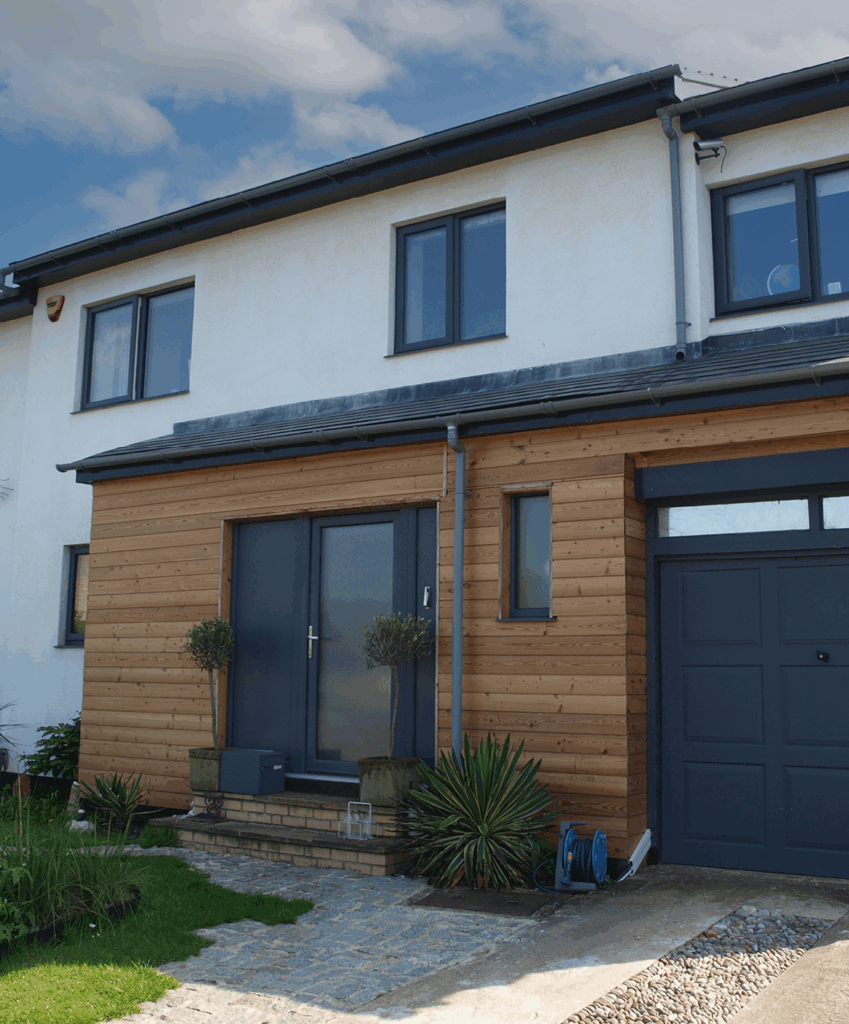
As part of its retrofit offering, the organisation is using innovative products to reduce the energy requirements of existing buildings. One method includes using a continuously insulated thermal envelope to “tea cosy” a building.
“We recently used our TCosy method on a 1200 square foot chalet bungalow. By doing so we were able to reduce the building’s energy consumption by 80%, from using 90 kilowatts per hour to just 11,” shared Ron.
Currently, there are around 1000 people living in Beattie Passive constructed homes across the UK, all benefiting from its energy reducing technology.
An Award-Winning Method
A component to Beattie Passive’s success is the partnerships it is building with councils across the UK.
Most recently, Beattie Passive partnered with Cardiff City Council to build a first-of-its-kind, zero carbon, Passivhaus Plus project (called the Net Zero, Passivhaus Plus Project). The build provides housing for homeless people and families, combatting the £1.8 billion currently spent by the UK government to fund temporary housing.
The project saw the development of three blocks of 48, one to three-bed, apartments and wrap-around services at the old Gasworks brownfield site in Grangetown, Cardiff. The building is considered ‘meanwhile’, meaning it can be in situ for anything from one to 100 years, and can be picked up and moved to another location.
“There were many fantastic outcomes to this project, but it also gave an employment opportunity to the 60 young people who built the Passivhaus,” said Ron, “the young people were completely new to the industry. It proves that if they can achieve this at this scale here, we can achieve it anywhere in the world”.
Compiling quite the trophy cabinet, in 2022, Beattie Passive projects were nominated for 31 awards. Although Ron recognises that every nomination and award is meaningful, the Net Zero, Passivhaus Plus project being awarded Building Performance Pioneer (at the Offsite Awards 2022) was a particular stand out.
“Being recognised for how the project was delivered and who it was delivered by was particularly important to us,” he said, “the fact that the project can be moved and blueprinted will be a beneficial feather in our cap for future projects and growth plans”.
Beattie Passive are currently applying to three of the largest council frameworks in the UK.
“Crucially, these projects could really make a change to both the energy consumption of buildings and the cost for people living in them,” explained Ron.
A slightly more glamorous recognition, Beattie Passive’s Wuduhus project (alongside Mole Architects for Joan Morters) has been long-listed for the RIBA House of the Year and will be featured on Channel 4’s Grand Designs.
The Knowledge Economy
Not only is Beattie Passive making a contribution to society by implementing measures which both reduce energy consumption and costs, it has a vision to educate.
The business provides both classroom and workshop based training courses at its factory facilities in Norfolk. The Training Academy delivers education to construction professionals and self-builders, covering all aspects of Passivhaus build standards and the Beattie Passive Build System.
“There’s an exciting opportunity for us to change employment for young people by educating and skilling them in the Passivhaus methodology. After all, it is the building method of the future,” said Ron, “we also plan to work more with those people that need employment support, for example people coming out of the prison system,” he continued.
A Call to Arms
With the business and its methods getting the industry recognition it deserves, Ron anticipates the next two to three years will provide an opportunity for growth.
In the last month alone, Beattie Passive has a quoted job list of £64 million.
“We’d like to grow the TCosy retrofit area of the business, as we see real demand for this in the next few years. As this grows, we will also look to expand into a further two or three more factories, filling them with top quality staff with new skill sets who will work with us in our vision to grow,” shared Ron.
With the Beattie Passive Build System patented in 46 countries, Ron hopes to expand the business internationally, using the success of projects in the UK as a case study.
“We encourage industry partnerships and would love to open up more conversations with councils, housing associations and developers. The Beattie Passive Build System is a cost effective and agile method which we can deliver worldwide. We can reduce build costs whilst offering employment opportunities. Ultimately, we are a building technology company and we want to share our knowledge and be pioneers of the industry”, Ron concluded.