



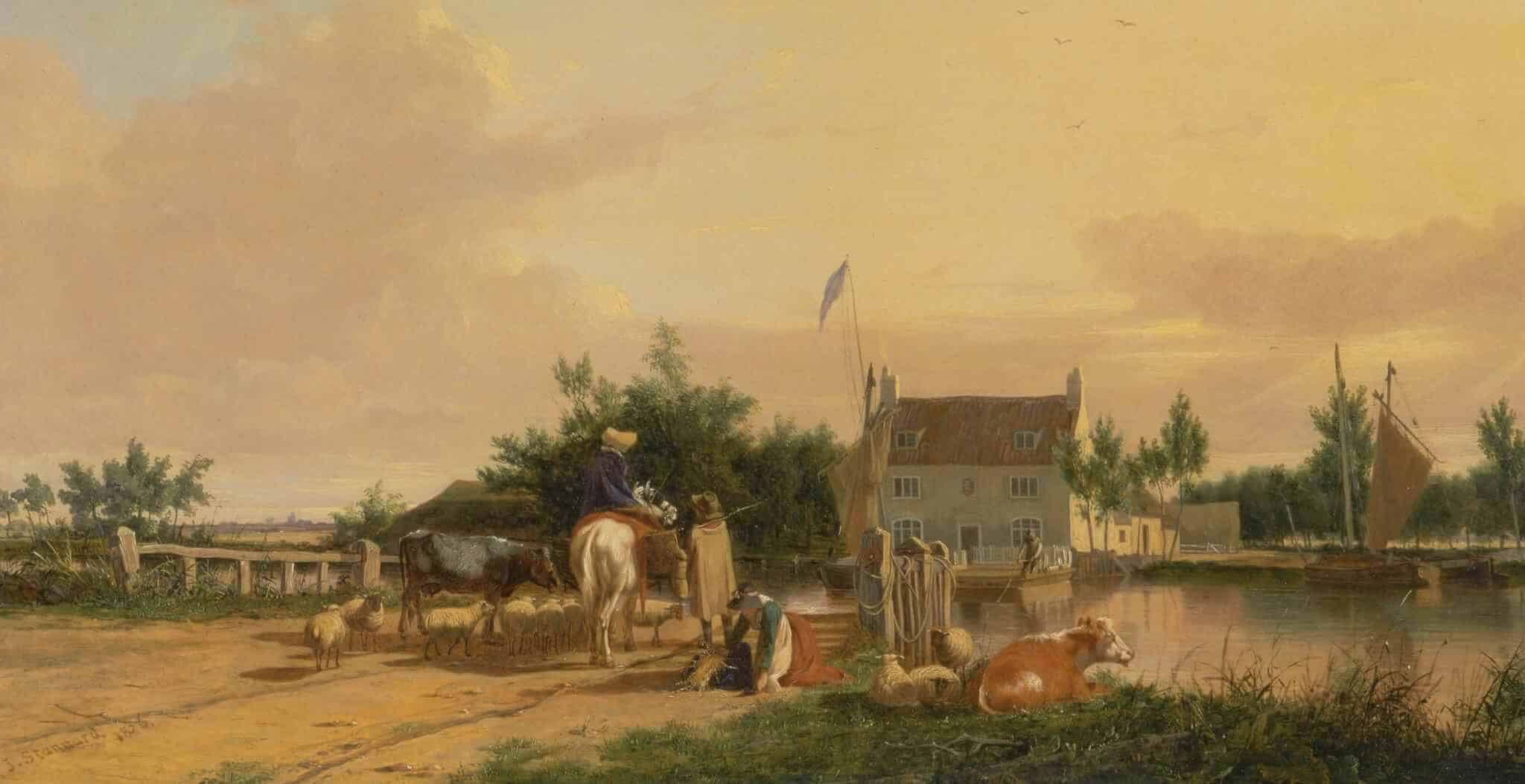
Norfolk is a county where history still whispers around cobbled lanes, ruined castles and pastoral villages. From Roman settlements to medieval marketplaces, the county offers a treasure trove of heritage, and some of the most evocative sites lie beyond the usual tourist radar. Here are five of Norfolk’s most historic areas, full of stories, layers of time and plenty of charm.
Caistor St Edmund — Once a Roman Capital
Just a few miles south of Norwich lies Caistor St Edmund, once known as Venta Icenorum, arguably one of the most significant Roman towns in East Anglia. This was the Iceni tribal capital before the Roman conquest, and today its remains lie in the care of heritage bodies.
Walking among the gently rolling fields around Caistor you can almost sense the echoes of Roman roads, pottery kilns and ancient dwellings. Archaeologists have uncovered Roman inhumations, Saxon-era cemeteries and traces of medieval and post-medieval settlement in the area. At the heart of the modern village is the parish church of St Edmund. Parts of the building use bricks and stone salvaged from the Roman settlement walls, showing how layers of Norfolk’s past literally built on top of one another.
For anyone interested in England’s deep history, Caistor St Edmund offers a rare blend of Roman legacy, Saxon and medieval layers, and the tranquillity of rural Norfolk countryside.
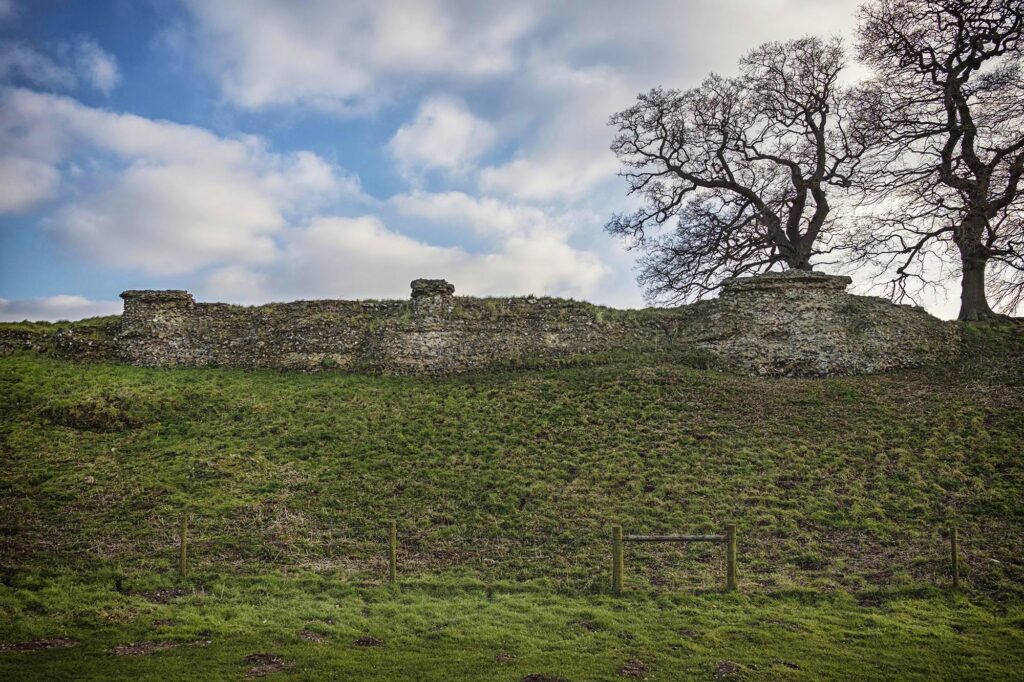
Castle Acre — Tale of a Norman Stronghold
Head west into the rural village of Castle Acre and you find yourself amid the ruins of a once-formidable fortress. The remains of Castle Acre Castle and its surrounding medieval town walls stand as silent reminders of the Norman conquest and medieval feudal England.
Built soon after 1066 by one of William the Conqueror’s loyal barons, the castle’s motte and bailey structure dominated the landscape and guarded vital routes including the ancient long-distance path of Peddars Way. Today the battered stonework and grassy ramparts make for a hauntingly beautiful walk. Visitors can imagine the castle’s past might, a timber keep atop a mound, fortified baileys and a chapel once served by Cluniac monks. The sense of standing somewhere shaped by battle, power and centuries of change makes Castle Acre a powerful place to connect with the medieval past.
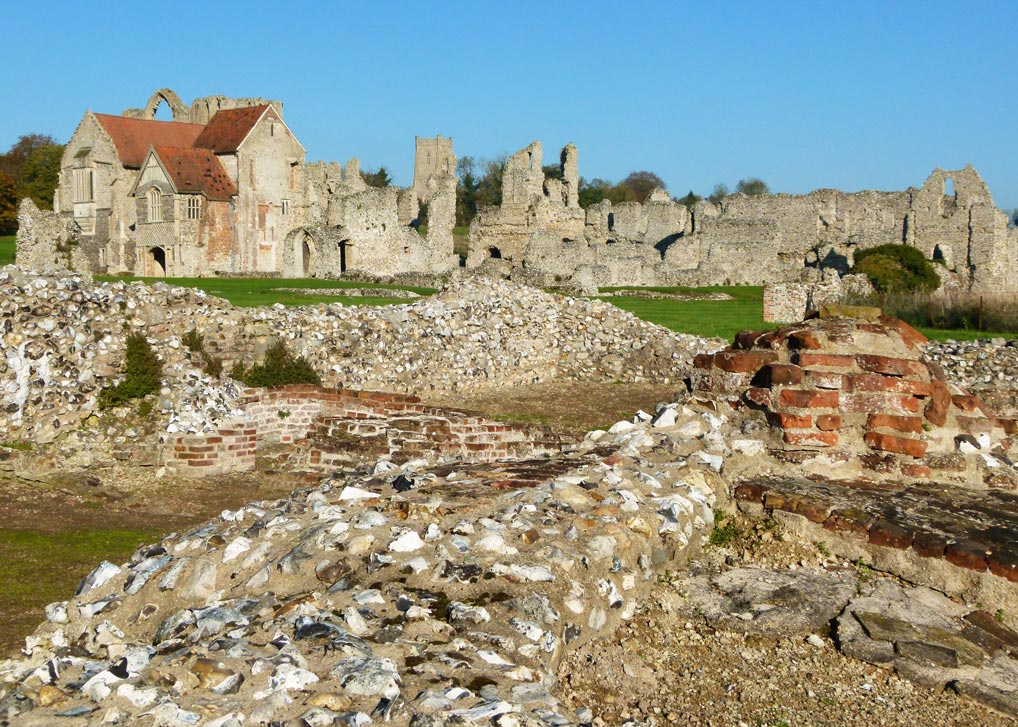
North Elmham — The Lost Bishopric
In the village of North Elmham lie the earthworks of North Elmham Castle, once the episcopal seat for East Anglia in Anglo-Saxon times. What stands now are moats, mounds and the faint outlines of a chapel turned castle, a silent but evocative memorial to a long-vanished church and its turbulent history.
Excavations have revealed Norman-era stonework, signs of early timber churches and later medieval fortifications. The site was held by ambitious bishops who fortified the manor in the late 14th century, leaving behind defensive banks that can still be traced today. Visiting North Elmham is like ghost-hunting through history. The landscape itself holds the memory. Walk the outer earthworks, peer down onto moated remains and feel the significance of a place that once mattered to the region’s spiritual and civic leaders.
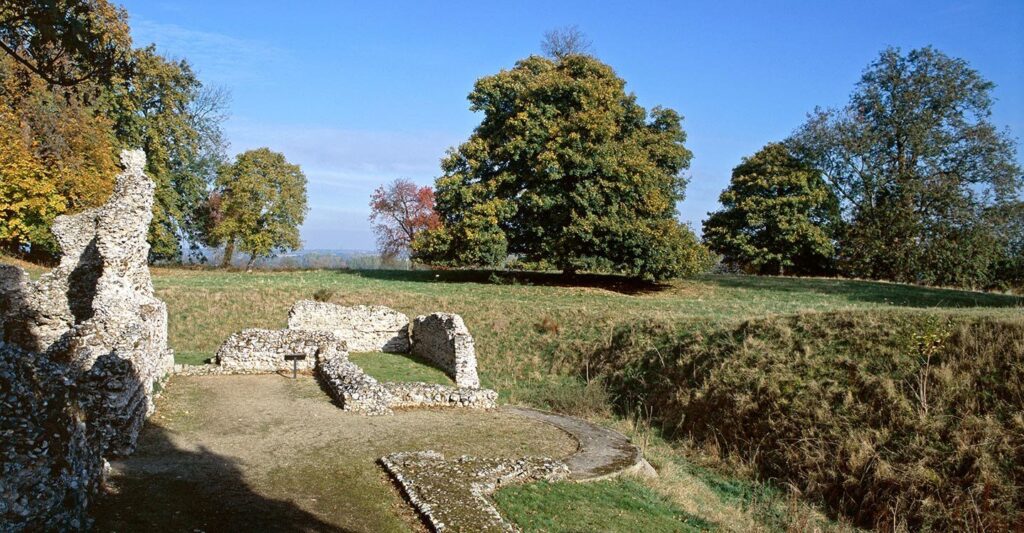
Tombland, Norwich — The Ancient Marketplace of a Great City
Within Norwich itself is Tombland, a historic quarter whose name might mislead as it does not come from graves or tombs but from the old English meaning “open space.” Long before the Normans arrived it served as the principal marketplace and central gathering ground for the Saxon settlement.
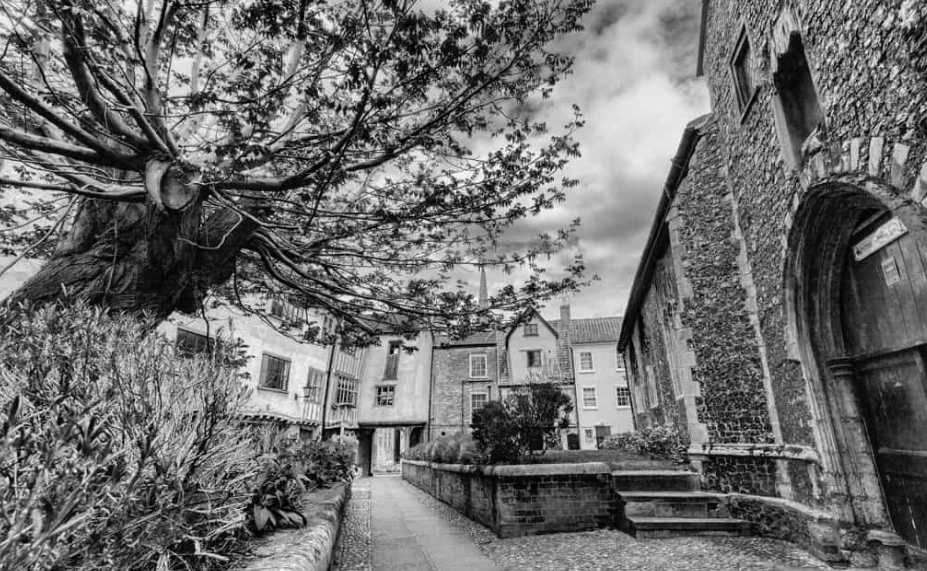
Tombland’s narrow streets and historic buildings, many dating back to medieval or early modern times, give a sense of urban history layered through centuries. Nearby lie hidden courtyards, timber-framed houses, medieval inns and the cathedral precinct just a short stroll away. Walking through Tombland you can sense the rhythm of old city life, the markets, the fairs and the everyday bustle of merchants and townsfolk. It is perhaps Norwich’s most complete link to its earliest roots and remains a living, breathing part of the city.
Why Norfolk’s Past Still Matters
What stands out across these five remarkable places is that Norfolk keeps its history alive, sometimes quietly, often overshadowed by modern life but always tangible. From Roman town ruins to medieval castle earthworks, from bishopric seats to bustling Saxon-era markets, the county offers a journey back through the ages.
For anyone interested in heritage, archaeology or simply exploring quiet corners of the countryside with a sense of depth and history, these places are more than just scenic spots. They are doorways to other times. Pack a notebook, a camera or simply your curiosity and wander through Norfolk’s past. It is a journey well worth taking.