



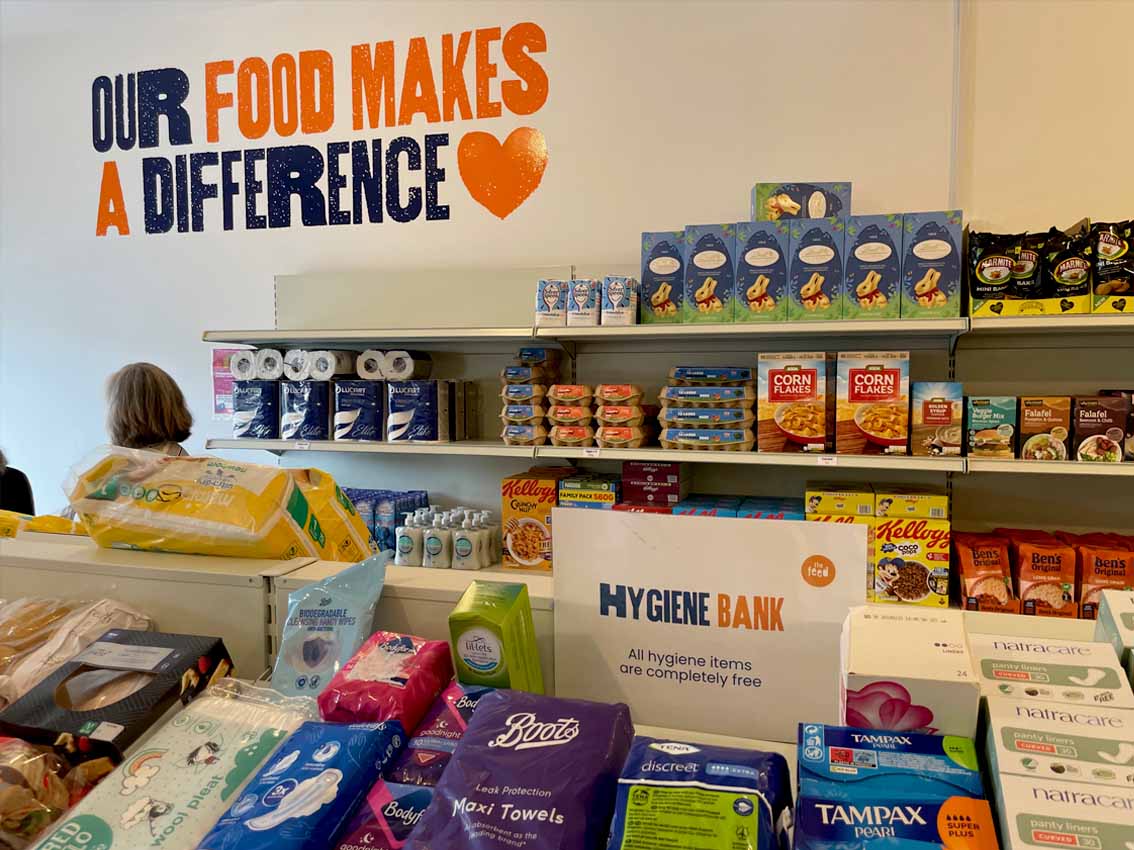
Norfolk has quietly become one of the UK’s leading examples of how community innovation can make a tangible difference to everyday lives. A new report from the University of East Anglia has spotlighted the county’s growing network of social supermarkets as a national blueprint for tackling food insecurity, reducing waste, and building stronger, more resilient communities.
Across Norfolk, from Norwich to King’s Lynn, these initiatives are proving that local collaboration can transform challenges into opportunity. The concept is simple yet powerful. Social supermarkets take surplus stock from major retailers, wholesalers, and local producers, then make it available to the public at a fraction of the usual cost. Some run on membership schemes, while others operate as community hubs offering both affordable food and a welcoming space for advice, support, and friendship.
Rather than approaching food support as charity, the model focuses on empowerment and inclusivity. Customers are treated as valued members of a community, not recipients of aid. The result is an environment built on dignity and mutual respect. For many visitors, the impact goes far beyond what is on the shelves. Workshops on budgeting, cookery sessions, volunteering opportunities, and wellbeing support help members gain new skills and confidence.
Norfolk’s approach stands out for its ability to combine practicality with humanity. Local organisations such as The Feed in Norwich, The Pantry in King’s Lynn, and a network of Community Fridge projects in Great Yarmouth and Thetford have each developed their own model based on the same shared goal: to make good food accessible to everyone while cutting unnecessary waste. Together, they have saved hundreds of tonnes of edible food from landfill and redirected it to those who need it most.
Many of these social supermarkets also act as stepping stones for those rebuilding their lives. Some offer training and employment opportunities for people facing barriers to work, while others partner with schools and health services to promote nutrition and community wellbeing. Volunteers play a vital role too, creating a warm, inclusive atmosphere that turns what could be a simple shopping trip into a source of connection and pride.
The University of East Anglia’s research notes that the success of Norfolk’s model lies in its adaptability. No two communities are the same, yet the principles of dignity, collaboration, and sustainability can be applied anywhere. The report calls for more councils and community groups across the UK to study the Norfolk example, describing it as a “grassroots response that is reshaping how we think about local resilience.”
Local councils have already expressed interest in supporting expansion, and funding discussions are under way to help replicate the model in other parts of the county. There are plans for additional hubs in areas where food insecurity remains a challenge, ensuring more people can benefit from the positive outcomes these projects bring.
As one volunteer noted during a recent community event, the success of Norfolk’s social supermarkets cannot be measured by numbers alone. It is measured in the smiles of people who feel part of something again, in the sense of community pride, and in the quiet confidence that grows when people are supported, not stigmatised.
Norfolk’s social supermarkets are about more than food. They represent a collective effort to nourish the county’s spirit, strengthen connections, and prove that local action, when driven by compassion and collaboration, can create meaningful change.